
 Sparkup Media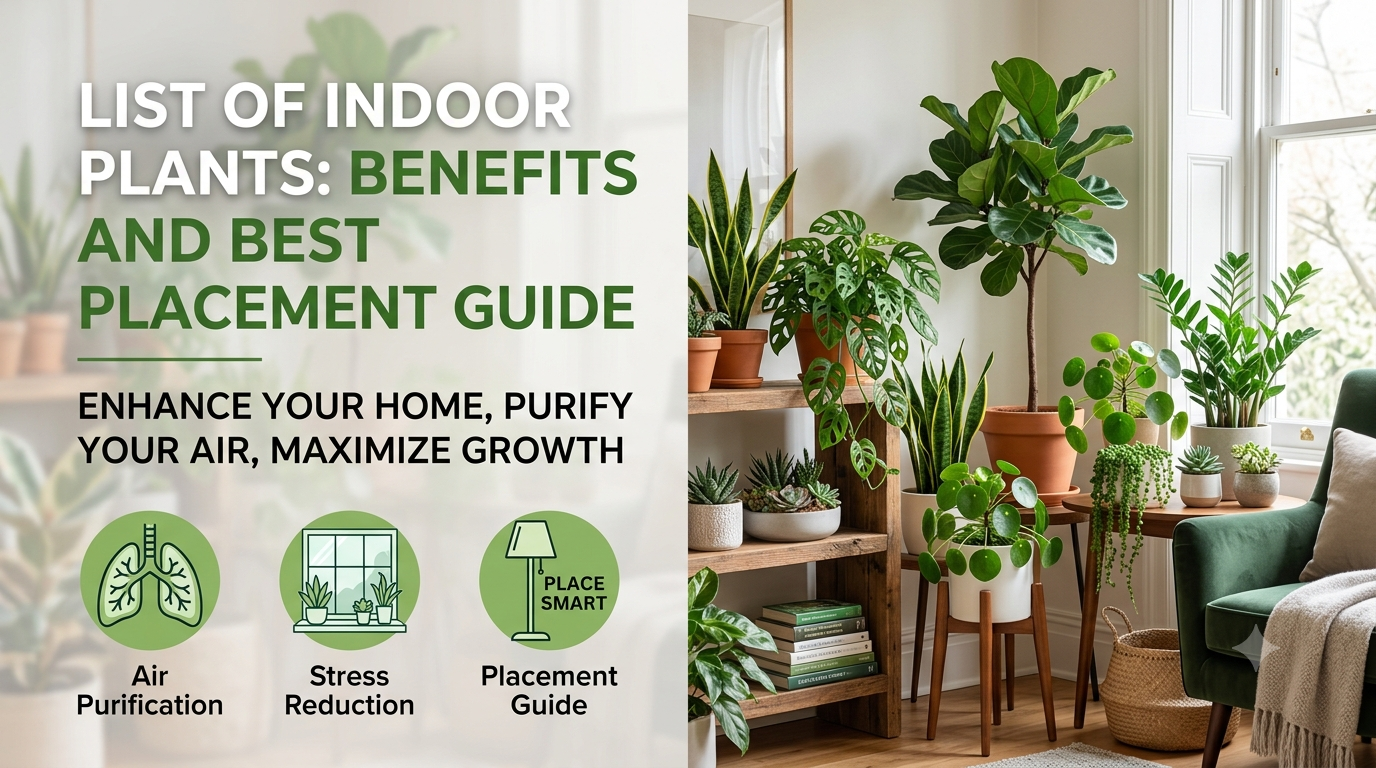
Indoor plants have become a staple of modern homes and offices, valued not just for their visual appeal but for the genuine wellness benefits they bring to indoor spaces. From purifying the air to reducing stress, the right plant in the right spot can transform a room. Here’s a practical guide to popular indoor plants, their benefits, and where they thrive best.
Why Bring Plants Indoors?
Before diving into specific plants, it helps to understand the broad benefits indoor greenery offers:
- Air purification — many plants absorb common indoor pollutants like formaldehyde, benzene, and carbon monoxide
- Improved humidity — plants release moisture through transpiration, helping with dry indoor air
- Stress reduction — greenery has been linked to lower cortisol levels and improved mood
- Better focus and productivity — plants in workspaces are associated with improved concentration
- Aesthetic and biophilic value — they soften hard interior lines and bring a sense of nature indoors
List of Indoor Plants, Benefits, and Ideal Placement
1. Snake Plant (Sansevieria)
Benefits: Releases oxygen at night (unlike most plants), filters toxins like formaldehyde and benzene, extremely low maintenance. Best Place: Bedrooms, low-light corners, bathrooms with indirect light.
2. Money Plant (Pothos / Epipremnum aureum)
Benefits: Removes airborne toxins, considered a symbol of prosperity, thrives in water or soil. Best Place: Living rooms, hanging baskets, office desks, near windows with indirect light.
3. Areca Palm
Benefits: Acts as a natural humidifier, effectively filters air, adds a lush, tropical look. Best Place: Living rooms or hallways with bright, indirect sunlight.
4. Peace Lily
Benefits: Removes mold spores and toxins, boosts humidity, flowers add visual softness. Best Place: Bathrooms, bedrooms, low to medium light areas (avoid direct sun).
5. Spider Plant
Benefits: Highly effective at removing carbon monoxide and xylene, safe for pets, easy to propagate. Best Place: Hanging planters in kitchens, balconies, or near windows.
6. Aloe Vera
Benefits: Purifies air, leaf gel has medicinal and skincare uses, very low maintenance. Best Place: Sunny windowsills, kitchen counters.
7. Rubber Plant (Ficus elastica)
Benefits: Strong air-purifying capacity, tolerates low light, adds a bold structural presence. Best Place: Living rooms or office corners with moderate light.
8. Boston Fern
Benefits: Natural humidifier, removes formaldehyde and xylene, adds lush texture. Best Place: Bathrooms or kitchens with high humidity and indirect light.
9. ZZ Plant (Zamioculcas zamiifolia)
Benefits: Extremely drought-tolerant, tolerates low light and neglect, removes toxins like xylene and toluene. Best Place: Offices, hallways, or any low-light interior space.
10. Bamboo Palm
Benefits: Effective at filtering formaldehyde, adds humidity, pet-friendly. Best Place: Living rooms or near entryways with indirect light.
11. English Ivy
Benefits: Reduces airborne mold, helps those with respiratory sensitivities, attractive trailing growth. Best Place: Hanging baskets or shelves in bright, indirect light.
12. Jade Plant
Benefits: Considered a symbol of good luck and prosperity, low water needs, improves indoor air quality. Best Place: Sunny windowsills, study tables, entrances.
Quick Placement Tips by Room
Bedroom: Snake plant, peace lily, or aloe vera — these tolerate low light and some even improve air quality at night.
Living Room: Areca palm, rubber plant, or money plant — larger leafy plants that make a visual statement and handle moderate light well.
Kitchen: Spider plant or aloe vera — both tolerate fluctuating humidity and are useful as well as decorative.
Bathroom: Boston fern or peace lily — humidity-loving plants that thrive in the moist, low-light conditions typical of bathrooms.
Office Desk: ZZ plant or money plant — low-maintenance options that survive limited natural light and occasional neglect.
Balcony/Window: Jade plant, aloe vera, or bamboo palm — these enjoy more direct sunlight and good air circulation.
A Few General Care Tips
When placing any indoor plant, consider three factors: the amount of natural light the spot receives, the typical humidity level of the room, and how easy it will be to maintain a watering routine. Most indoor plants prefer indirect sunlight rather than harsh direct rays, and overwatering is a more common mistake than underwatering. Rotating plants occasionally also helps them grow evenly toward the light source.
Indoor plants are a simple, low-cost way to improve both the look and feel of a living or working space. With a bit of attention to placement and light requirements, even a small apartment or office can benefit from a touch of greenery.
About the Author