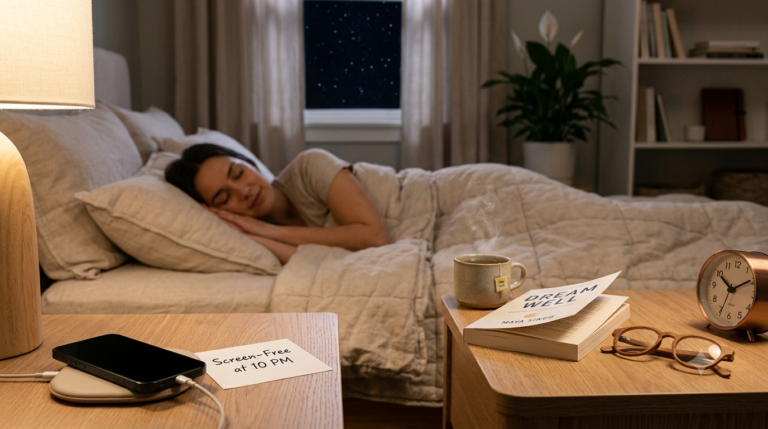
Screen-Free Sleep Habits: Building an Evening Wind-Down Routine That Keeps Blue Light Out of the Bedroom
 Sparkup Media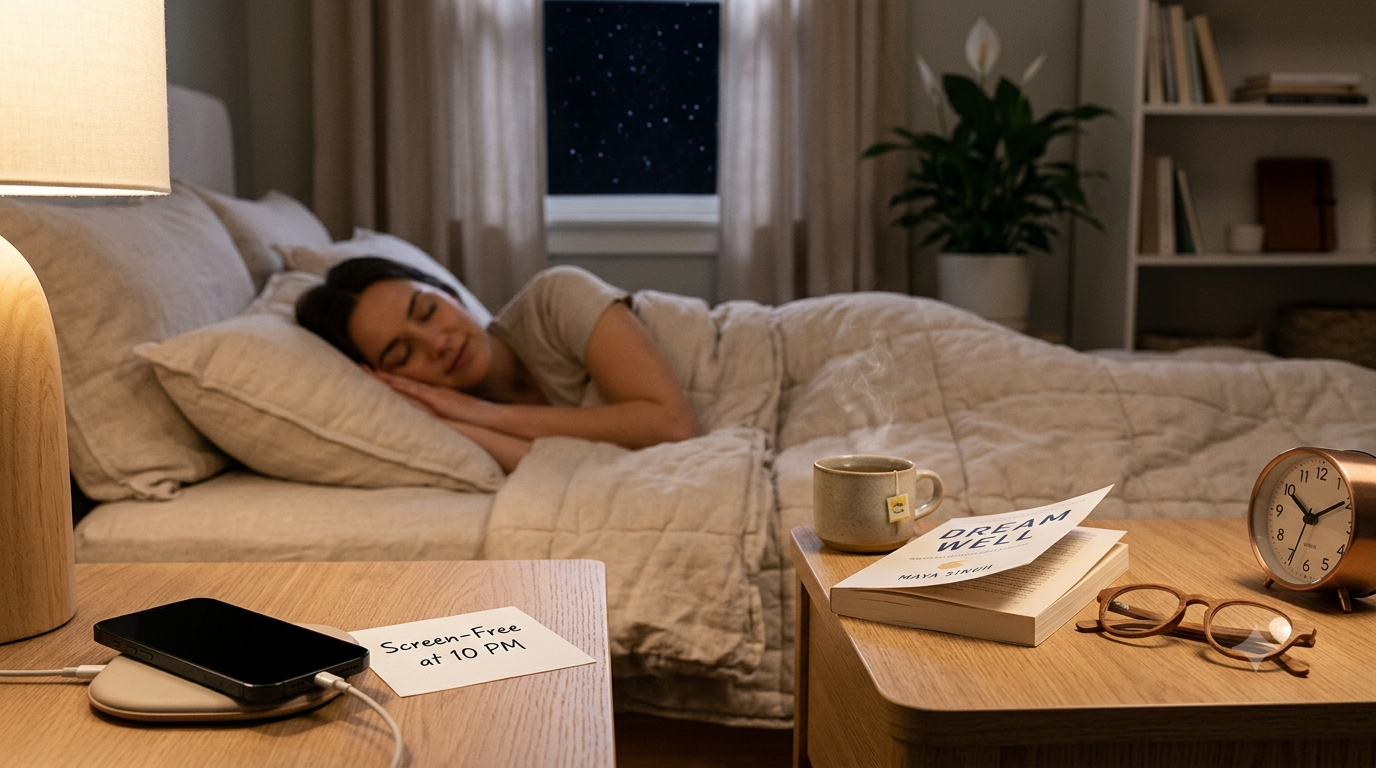
In an age where screens dominate our waking hours, the bedroom has become the last frontier for digital detox. Yet, for many, the glow of phones, tablets, and laptops follows them under the covers, quietly sabotaging sleep quality and next-day energy. Building a screen-free evening wind-down routine isn’t just about willpower—it’s about designing a ritual that supports your body’s natural sleep-wake cycle and keeps blue light out of the bedroom.
Why Blue Light Disrupts Sleep
Blue light—especially the short-wavelength, high-energy kind emitted by LEDs and screens—has a powerful effect on your circadian rhythm, the internal clock that governs when you feel awake and when you feel sleepy. When your eyes detect blue light in the evening, your brain suppresses melatonin, the hormone that signals it’s time to sleep. This delay can push back your sleep onset, reduce sleep quality, and leave you groggy the next day.
Research shows that even moderate exposure to screens in the hour before bed can shift your body clock later, making it harder to fall asleep at your intended time. The effect is strongest when screens are bright, close to your face, and used for stimulating content like social media, news, or intense games.
The Case for a Screen-Free Bedroom
The most effective way to protect your sleep is to keep screens out of the bedroom entirely. Having a phone or tablet within arm’s reach increases the temptation to scroll, check notifications, or “just one more episode,” all of which can delay sleep and fragment rest. Studies suggest that simply having a device nearby—even if it’s off—can increase the risk of poor sleep quality.
A screen-free bedroom also helps you associate the space with rest, not stimulation. When the bedroom is reserved for sleep and relaxation, your brain learns to wind down more quickly once you’re under the covers.
Designing Your Evening Wind-Down Routine
A successful wind-down routine is consistent, calming, and screen-free for at least 60–90 minutes before bed. Below is a step-by-step framework you can adapt to your lifestyle.
1. Set a “Screen Curfew” (90 Minutes Before Bed)
Choose a time each evening—ideally 90 to 120 minutes before your target bedtime—when all screens go off. Set an alarm or reminder to signal the start of your wind-down. This is your cue to shift from output (work, scrolling, streaming) to rest.
Practical tips:
- Enable “night mode” or blue-light filters on devices if you must use them, but aim to stop altogether by 30–60 minutes before bed.
- Charge your phone outside the bedroom, or at least across the room, to reduce temptation.
2. Dim the Lights (60 Minutes Before Bed)
Bright overhead lights, especially those with cool or white tones, can mimic daylight and delay melatonin release. About an hour before bed, switch to warm, low-intensity lighting—think amber or red-toned lamps, or even candlelight.
Why it matters:
- Dimming lights signals to your brain that nighttime is approaching, helping your body prepare for sleep.
- Red and orange light have minimal impact on melatonin, making them ideal for evening routines.
3. Replace Scrolling with Analog Activities
Once screens are off, fill the time with low-stimulation, screen-free activities that help your mind and body relax.
Options include:
- Reading a physical book or magazine: Choose something calming, not overly stimulating.
- Journaling: Spend 5–10 minutes writing down thoughts, to-do lists for tomorrow, or three things you’re grateful for.
- Light stretching or yoga: Gentle movement can release tension and signal your body it’s time to rest.
- Listening to calming audio: Audiobooks, podcasts, or sleep meditations can replace screen time without the blue light.
4. Create a Calming Pre-Sleep Ritual (30 Minutes Before Bed)
In the final half-hour before bed, focus on activities that further lower arousal and prepare your body for sleep.
Ideas:
- Warm beverage: Sip herbal tea or warm water to create a consistent cue for slowing down.
- Breathwork or meditation: Try 4-7-8 breathing, box breathing, or a short body-scan meditation to calm your nervous system.
- Prepare your sleep environment: Ensure your bedroom is cool (around 65°F or 18–20°C), dark, and quiet. Use blackout curtains or a sleep mask if needed.
5. Lights Out and Stay Off Screens
At bedtime, turn off all lights and avoid screens entirely. If you need a night light for bathroom trips, use a red or amber bulb, which won’t disrupt melatonin.
If you wake during the night:
- Resist the urge to check your phone.
- Keep a book or journal by your bed if you need a quiet activity, but avoid turning on bright lights.
Overcoming Common Obstacles
“I need my phone for my alarm.”
Solution: Use a traditional alarm clock or charge your phone outside the bedroom and place it far enough that you have to get up to turn it off.
“I can’t fall asleep without something to listen to.”
Solution: Use a dedicated sleep speaker or smart device that plays audio without a screen, or set your phone to play a sleep playlist and then place it out of reach.
“My partner uses screens in bed.”
Solution: Negotiate a shared screen curfew and create a joint wind-down ritual, such as reading together or listening to a podcast.
Sample 60-Minute Screen-Free Wind-Down Routine
| Time Before Bed | Activity | Purpose |
|---|---|---|
| 60 minutes | Dim lights, set devices aside | Signal circadian shift |
| 45 minutes | Gentle stretching or short walk | Lower physical arousal |
| 30 minutes | Warm beverage, light snack | Create calming cue |
| 20 minutes | Journaling or gratitude practice | Reduce mental clutter |
| 10 minutes | Breathwork or meditation | Prepare for sleep |
| Bedtime | Lights out, bedroom dark and cool | Optimize sleep environment |
Long-Term Benefits
Consistently practicing a screen-free wind-down routine can lead to:
- Faster sleep onset and fewer nighttime awakenings
- Improved sleep quality and next-day energy
- Better mood, focus, and productivity during the day
- Reduced reliance on screens for relaxation
Final Thoughts
Building a screen-free sleep habit is less about restriction and more about creating a ritual that supports your body’s natural rhythms. By dimming lights, replacing screens with calming activities, and keeping the bedroom a sanctuary for rest, you can protect your sleep and wake up feeling more refreshed. Start with one or two changes—like a 60-minute screen curfew or a warm bedtime beverage—and gradually layer in more habits until your wind-down routine feels effortless. Your future self will thank you.
About the Author