 Admin
Admin 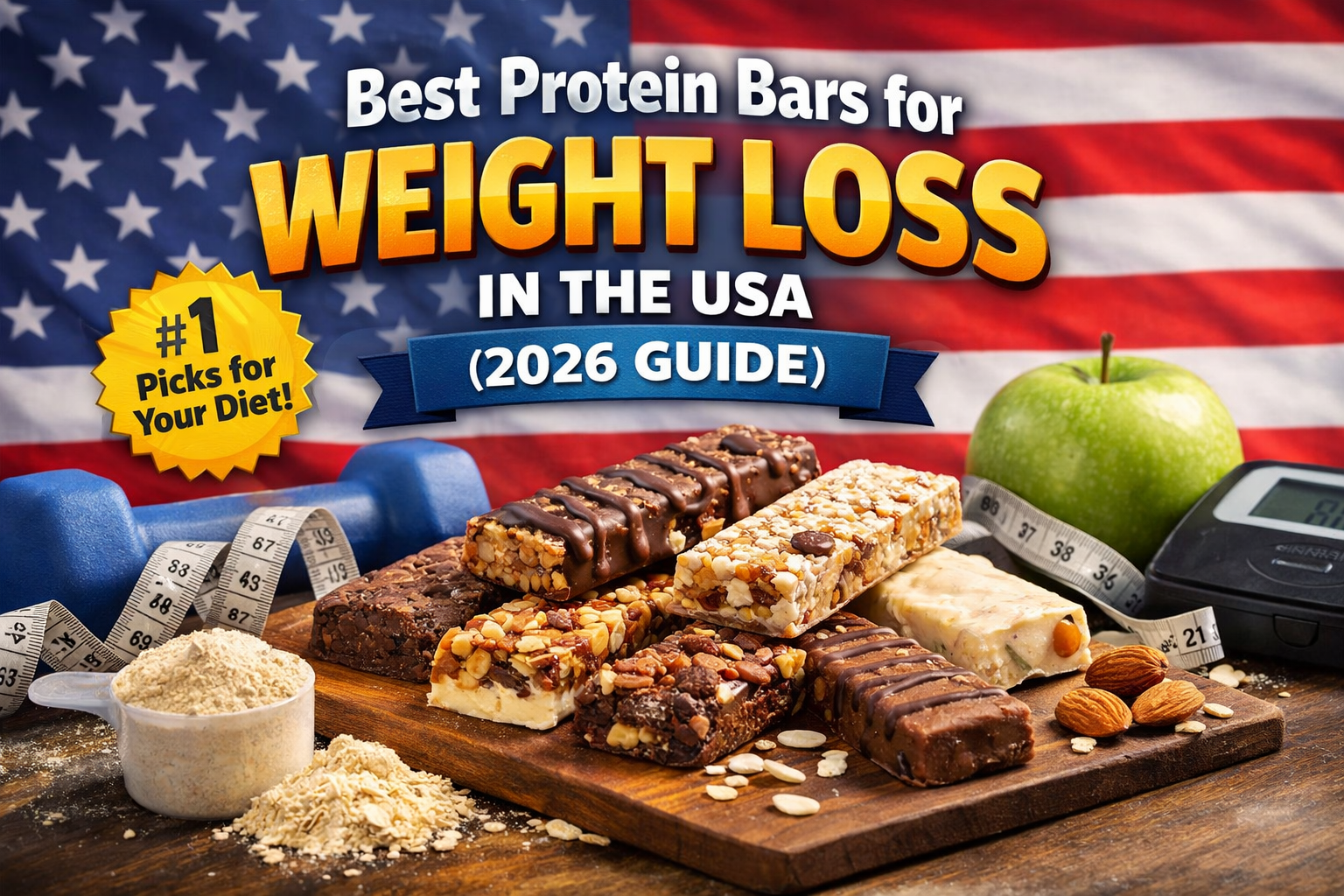
Protein bars have become a go-to snack for anyone trying to lose weight without giving up convenience. But not all bars are created equal — some are basically candy bars with a protein label slapped on, while others genuinely help you stay full, control cravings, and stick to a calorie deficit.
This guide breaks down what actually makes a protein bar “weight-loss friendly,” plus a roundup of some of the most popular options available across the U.S. right now.
What Makes a Protein Bar Good for Weight Loss?
Before grabbing the bar with the flashiest packaging, it helps to know what to look for. According to nutrition experts, the most useful bars for weight loss share a few traits: enough protein to keep you full, fiber to slow digestion, and minimal added sugar so you’re not undoing your calorie deficit with hidden carbs.
A few general guidelines to keep in mind:
- Aim for at least 15–20 grams of protein per bar. This is the range most dietitians recommend for a bar to meaningfully support satiety and muscle maintenance during weight loss.
- Watch the added sugar. Many mainstream bars pack 10+ grams of added sugar — that can add up fast if you’re eating one daily. Bars with 5 grams or less of added sugar are generally a safer bet.
- Check the fiber content. Fiber slows digestion and helps you feel full longer, which is exactly what you want when managing hunger on fewer calories.
- Don’t ignore total calories. A “healthy” bar that’s 350 calories can eat into your deficit just as easily as a dessert. Most weight-loss-friendly bars fall in the 150–220 calorie range.
- Be cautious with sugar alcohols. Ingredients like erythritol and maltitol are common in low-sugar bars and can cause digestive discomfort in some people, especially in larger amounts.
It’s also worth remembering: protein bars are a tool, not a strategy. They work best as a snack or hunger-bridge between meals — not as a meal replacement — and pair best with an overall eating pattern that supports a calorie deficit.
Top Protein Bars to Consider
1. Quest Bars
Quest is one of the most popular high-protein, low-sugar options on the market. Most flavors deliver around 18–21 grams of protein, roughly 150–200 calories, and as little as 1 gram of sugar per bar, using a blend of milk and whey protein isolate along with stevia and sucralose for sweetness. For people prioritizing protein-to-calorie ratio above all else, Quest is hard to beat — though the sugar alcohols used for texture can cause bloating for some.
Good for: Maximizing protein while minimizing sugar and calories.
2. RXBARs
RXBARs lean into the “clean label” approach — egg whites, nuts, and dates, with no artificial sweeteners or added sugar. They typically contain around 12 grams of protein and 190–220 calories, with natural sugar (from dates) running 13–18 grams per bar. The protein number is lower than some competitors, but the simple ingredient list appeals to people who want whole-food snacks over engineered ones.
Good for: Those who prioritize simple, recognizable ingredients over maximum protein.
3. Pure Protein Bars
A budget-friendly option that still hits solid macros — typically 20 grams of whey protein, around 3 grams of sugar, and roughly 190 calories per bar. At about $1.50 per bar in bulk packs, they’re one of the more affordable ways to get a high protein-to-cost ratio without sacrificing much on the nutrition side.
Good for: Hitting protein goals on a budget.
4. Bulletproof Protein Crisp Bars
These stand out for their fiber content — around 9 grams of soluble fiber per bar from inulin and tapioca fiber — plus only 4 grams of net carbs and zero added sugar. Protein is lower than some other options (around 11 grams per bar), so they work better as a between-meal snack than a post-workout recovery bar.
Good for: Fiber-focused snacking and keto-style eating patterns.
5. ONE Bars / Barebells / Built Bar
This category of “dessert-style” protein bars (chocolate-coated, cookie-dough flavors, etc.) has grown fast because they taste closer to candy while still packing 20+ grams of protein and low sugar, typically using sugar alcohols for sweetness. They’re a solid option if cravings for something indulgent are what derail your diet — just keep an eye on how your stomach handles the sugar alcohols.
Good for: Satisfying a sweet tooth without breaking a calorie deficit.
Quick Comparison
| Bar | Protein | Sugar | Calories (approx.) | Best For |
|---|---|---|---|---|
| Quest Bar | 18–21g | ~1g | 150–200 | Max protein, min sugar |
| RXBAR | ~12g | 13–18g (natural) | 190–220 | Clean ingredients |
| Pure Protein | ~20g | ~3g | ~190 | Budget-friendly |
| Bulletproof Crisp | ~11g | 0g added | ~140–170 | High fiber, low net carbs |
| ONE Bar / Barebells | 20g+ | Low (sugar alcohols) | ~200–220 | Dessert cravings |
Note: Nutrition facts vary by flavor — always check the label on the specific bar and flavor you’re buying.
How to Actually Use Protein Bars for Weight Loss
A protein bar isn’t going to cause weight loss on its own — it’s a tool that fits into a larger picture. A few tips for making the most of them:
- Use them as a snack, not a meal substitute, unless the calorie and protein content genuinely matches what a meal would provide.
- Pair with whole foods when possible — a bar plus a piece of fruit or a handful of vegetables can round out a snack into something more filling.
- Watch portion creep. It’s easy to treat a protein bar as “free” because it’s marketed as healthy, but the calories still count toward your daily total.
- Rotate brands/flavors if you eat them often — this helps avoid overdoing any single sweetener or ingredient (like sugar alcohols) that might cause digestive issues with daily use.
The Bottom Line
There’s no single “best” protein bar for everyone — it depends on whether you prioritize maximum protein, minimal sugar, clean ingredients, or just something that tastes good enough to actually stick with. Quest and Pure Protein are strong picks if protein-to-calorie ratio is the priority; RXBAR and similar whole-food bars suit people who want simpler ingredients even if it means a bit more natural sugar. Whichever you choose, the bar matters less than how it fits into your overall eating pattern and calorie goals.
This article is for general informational purposes and isn’t a substitute for personalized advice from a registered dietitian or healthcare provider, especially if you have specific health conditions or dietary restrictions.