 Sparkup Media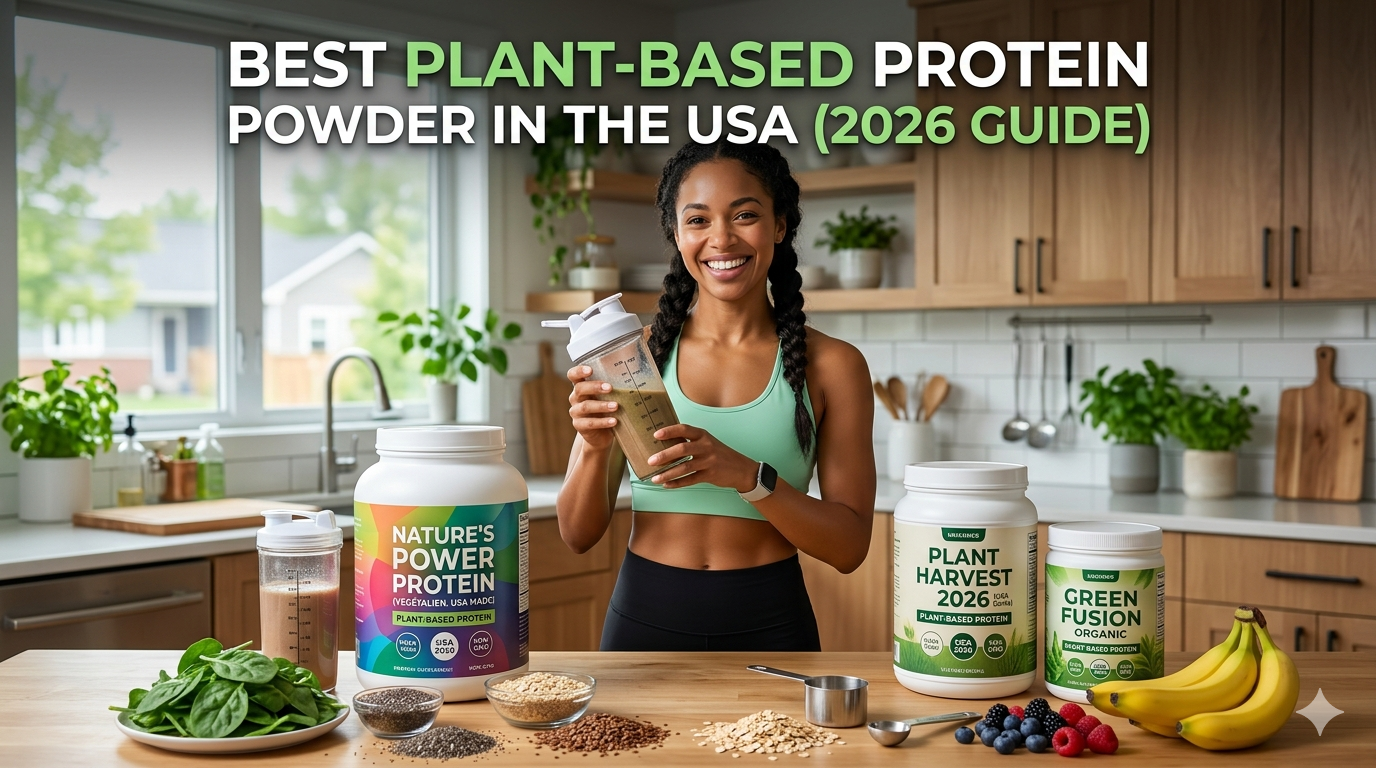
Plant-based protein powder has gone from a niche health-store item to a mainstream staple, and for good reason. Whether you’re vegan, lactose-intolerant, or just trying to cut back on dairy, today’s options are far better tasting and better formulated than the chalky, gritty powders of a decade ago. But with dozens of brands on shelves, picking the right one can be confusing.
This guide breaks down what to look for in a plant-based protein powder and rounds up some of the strongest options available in the U.S. right now.
What Makes a Plant-Based Protein Powder “Good”?
Plant proteins behave differently than whey or casein, so the criteria for a good one are slightly different too. A few things worth checking before you buy:
- Protein blend, not just a single source. Pea protein alone is a great source of essential amino acids but tends to be lower in methionine, while rice protein is low in lysine. Combining the two (or adding pumpkin seed, faba bean, or hemp) creates a more complete amino acid profile — this is why most well-formulated products blend multiple plant proteins rather than relying on one.
- At least 20 grams of protein per serving. Most strong options land between 20–30 grams, which puts them roughly in line with whey-based powders.
- Third-party testing. Look for certifications like NSF Certified for Sport or Informed Choice/Informed Sport, especially if you’re a competitive athlete — these programs verify label accuracy and screen for banned substances.
- Minimal additives. Some plant powders lean on gums, fillers, or heavy amounts of natural flavors to mask the earthy taste of pea or rice protein. Shorter ingredient lists are generally a good sign.
- Texture and mixability. This is the most common complaint with plant protein — it can turn gritty or chalky, especially pea-protein-only formulas. Blended formulas and those with added MCT oil or healthy fats tend to mix more smoothly.
Top Plant-Based Protein Powders to Consider
1. Garden of Life Sport Organic Plant-Based Protein
One of the most credentialed options on the market, delivering around 30 grams of protein per serving and carrying NSF Certified for Sport status alongside USDA Organic and Non-GMO Project Verified certifications. It’s a strong pick for athletes who need both high protein content and verified label accuracy.
Good for: Athletes and anyone who wants the most heavily certified option available.
2. Naked Pea Premium Pea Protein
A minimalist option built around a single ingredient — pea protein — offering around 27 grams of protein per serving with no artificial flavors, sweeteners, or colors. It won’t be the smoothest-mixing powder on this list, but for people who want as few ingredients as possible, it’s hard to beat.
Good for: Clean-label shoppers who don’t mind a simpler, earthier taste.
3. Transparent Labs Organic Vegan Protein Powder
Built around organic, minimally processed ingredients, this one has earned a reputation as one of the cleaner options for vegan gym-goers and non-vegans alike, largely thanks to its certified organic status. It’s a solid middle ground between taste, formulation quality, and ingredient transparency.
Good for: Gym-goers who want an organic, “clean” formulation without sacrificing performance.
4. Orgain Organic Plant-Based Protein
A widely available, grocery-store-friendly option that blends pea, brown rice, and chia seed protein. It typically delivers around 21 grams of protein per serving and is well known for being one of the smoother-mixing, better-tasting plant powders — a common pick for smoothies given its mild flavor.
Good for: Everyday use, smoothies, and easy availability at major retailers.
5. KOS Organic Plant-Based Protein Powder
Frequently cited as one of the best-tasting plant powders, KOS blends pea, flaxseed, quinoa, pumpkin seed, and chia proteins along with added probiotics and greens. The wider blend of protein sources helps round out the amino acid profile while keeping the texture relatively smooth.
Good for: Those who’ve tried other plant powders and didn’t like the taste or texture.
6. Legion Plant+
Formulated specifically with weight management in mind, Legion Plant+ combines pea and rice protein with a calorie count and macro profile designed to support a calorie deficit while still hitting a high protein target. It’s also third-party tested, which adds a layer of label-accuracy assurance.
Good for: People specifically using protein powder to support weight loss goals.
Quick Comparison
| Powder | Protein Source(s) | Protein Per Serving | Certifications | Best For |
|---|---|---|---|---|
| Garden of Life Sport | Pea, multi-blend | ~30g | NSF Certified for Sport, USDA Organic | Athletes |
| Naked Pea | Pea (single source) | ~27g | Non-GMO | Clean-label minimalists |
| Transparent Labs Organic Vegan | Pea, rice, organic blend | ~24g | USDA Organic | Gym-goers wanting “clean” |
| Orgain Organic | Pea, brown rice, chia | ~21g | USDA Organic | Smoothies, everyday use |
| KOS Organic | Pea, flax, quinoa, pumpkin seed, chia | ~20g | Organic, Non-GMO | Best taste/texture |
| Legion Plant+ | Pea, rice | ~20g | Third-party tested | Weight management |
Note: Protein content and certifications can vary by flavor and formulation update — always check the current label before purchasing.
Plant Protein vs. Whey: What’s the Real Difference?
The main difference comes down to amino acid completeness and digestion speed. Whey is a “complete” protein with a full essential amino acid profile and tends to digest quickly, which is part of why it’s popular post-workout. Most single-source plant proteins are missing or low in at least one essential amino acid — which is exactly why blended formulas (pea + rice, or pea + pumpkin seed + hemp) have become the standard in better products, since combining sources fills in those gaps.
In terms of muscle-building effectiveness, research suggests that well-formulated plant protein blends can perform comparably to whey when total protein intake is adequate — the gap matters less the more varied your overall diet is.
How to Choose the Right One for You
- If you’re an athlete or compete in tested sports: prioritize NSF Certified for Sport or Informed Sport products.
- If taste and mixability are your main concern: look at multi-source blends like KOS or Orgain, which tend to mix smoother than single-source pea powders.
- If you’re managing weight: check the full nutrition label, not just protein — some plant powders pack in extra calories from added fats or carbs that can work against a calorie deficit.
- If you have specific allergies: check for soy, tree nut, or pea allergies specifically, since pea protein has become the dominant base ingredient across most brands.
The Bottom Line
Plant-based protein powder has matured to the point where it can reasonably go head-to-head with whey for most people’s goals, whether that’s muscle building, weight management, or simply hitting a daily protein target without dairy. The best choice really depends on your priorities: certification and protein content (Garden of Life Sport), minimal ingredients (Naked Pea), everyday usability (Orgain), or taste (KOS). Whichever you pick, check the label for blended protein sources and third-party testing — those two factors do the most to separate a high-quality plant protein from a mediocre one.
This article is for general informational purposes and isn’t a substitute for personalized advice from a registered dietitian or healthcare provider, especially if you have allergies or specific health conditions.
About the Author