
What Is Sustainable Fashion? A Complete Deep Dive into the Future of Ethical Style
 Sparkup Media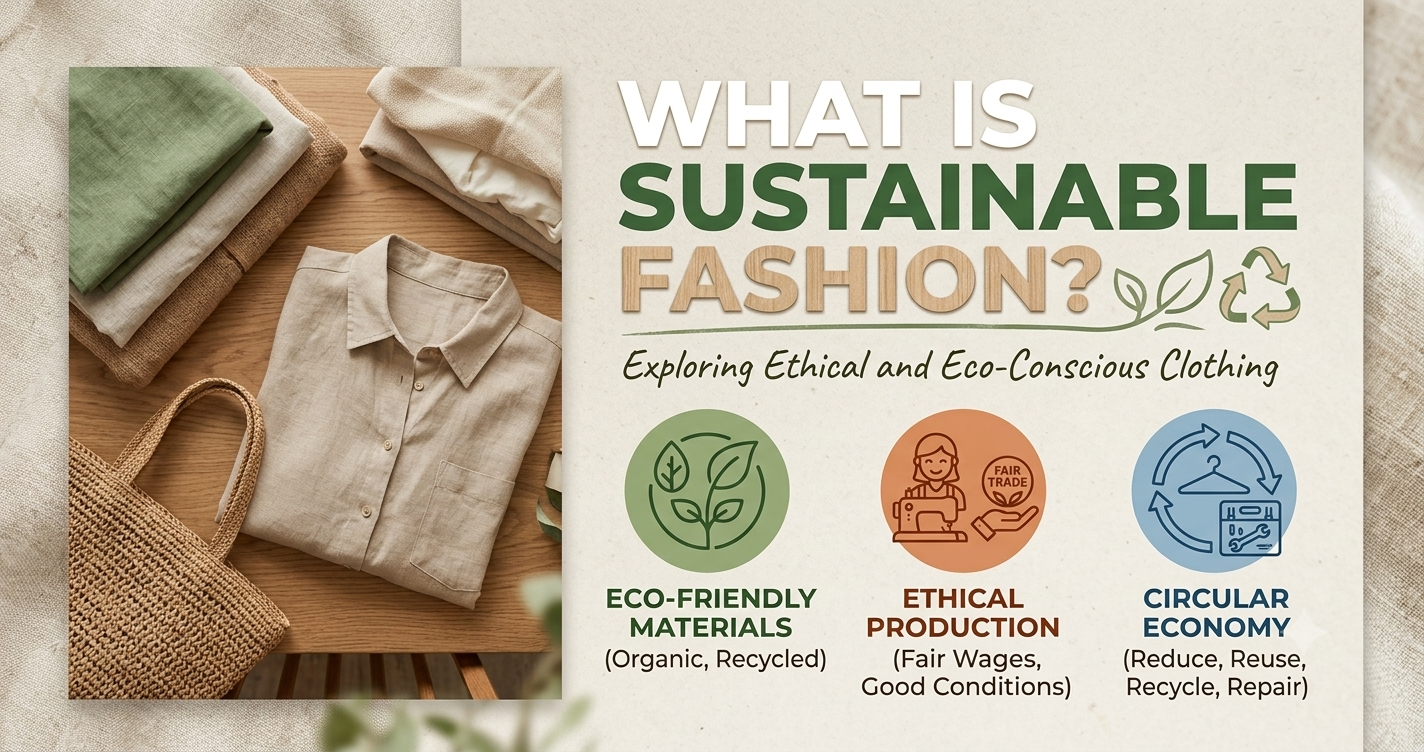
Introduction
Fashion is one of the world’s largest and most influential industries. It shapes culture, drives economic growth, and allows individuals to express their identity. However, behind the glamour of runway shows and seasonal collections lies a troubling reality: the fashion industry is also one of the biggest contributors to environmental degradation, resource depletion, and labor exploitation.
In recent years, consumers, brands, governments, and environmental organizations have increasingly turned their attention to a concept known as sustainable fashion. This movement seeks to transform the way clothing is designed, produced, distributed, consumed, and disposed of.
But what exactly is sustainable fashion? Is it simply buying organic cotton shirts, or does it involve a much broader shift in how society thinks about clothing?
This article explores sustainable fashion in depth, including its meaning, importance, principles, benefits, challenges, and future prospects.
Understanding Sustainable Fashion
Sustainable fashion refers to clothing, accessories, and footwear that are designed, manufactured, distributed, and used in ways that minimize environmental impact while promoting social responsibility and economic fairness.
The goal of sustainable fashion is to create a system where fashion can thrive without harming people, animals, or the planet.
Unlike traditional fast fashion, which prioritizes low costs and rapid production, sustainable fashion focuses on:
- Environmental protection
- Ethical labor practices
- Resource conservation
- Waste reduction
- Product longevity
- Circular economy principles
Sustainable fashion is not a single trend but a comprehensive approach to transforming the fashion industry into a more responsible and regenerative system.
Why Sustainable Fashion Matters
The fashion industry has a significant environmental footprint.
According to various environmental studies, fashion contributes substantially to global carbon emissions, water pollution, and textile waste. The industry’s reliance on synthetic materials, intensive farming practices, and long supply chains places enormous pressure on ecosystems worldwide.
Some key issues include:
1. Massive Water Consumption
Clothing production requires vast amounts of water.
For example, producing a single cotton T-shirt can require thousands of liters of water throughout cultivation and manufacturing processes.
Cotton farming often strains water resources, especially in regions already facing water scarcity.
2. Textile Waste
Millions of tons of clothing are discarded annually.
Many garments end up in landfills after being worn only a few times. Synthetic fabrics can take decades or even centuries to decompose.
3. Carbon Emissions
Fashion production involves:
- Raw material extraction
- Manufacturing
- Transportation
- Packaging
- Retail operations
Together, these activities generate significant greenhouse gas emissions.
4. Chemical Pollution
Textile dyeing and finishing processes release harmful chemicals into rivers and waterways.
Many communities near manufacturing hubs suffer from polluted water supplies and environmental degradation.
5. Labor Exploitation
Low-cost fashion often depends on underpaid workers operating in unsafe conditions.
Issues such as excessive working hours, child labor, and inadequate wages remain concerns in parts of the global supply chain.
Sustainable fashion seeks to address all these challenges simultaneously.
The Difference Between Fast Fashion and Sustainable Fashion
Fast Fashion
Fast fashion refers to the rapid production of inexpensive clothing designed to follow the latest trends.
Characteristics include:
- Frequent new collections
- Low prices
- Short product lifecycles
- Mass production
- Disposable consumer culture
Major fast-fashion brands release hundreds or thousands of new designs each year.
While affordable and accessible, fast fashion encourages overconsumption and generates enormous waste.
Sustainable Fashion
Sustainable fashion takes the opposite approach.
It emphasizes:
- Quality over quantity
- Timeless design
- Ethical manufacturing
- Environmentally friendly materials
- Long-lasting garments
Instead of encouraging constant replacement, sustainable fashion promotes thoughtful purchasing and responsible consumption.
Core Principles of Sustainable Fashion
1. Ethical Production
Workers should receive:
- Fair wages
- Safe working conditions
- Reasonable working hours
- Freedom from discrimination
Ethical fashion brands prioritize transparency and accountability throughout their supply chains.
2. Environmentally Friendly Materials
Sustainable brands often use materials with lower environmental impact, including:
Organic Cotton
Grown without synthetic pesticides and fertilizers.
Benefits include:
- Healthier soil
- Reduced water pollution
- Improved biodiversity
Hemp
One of the most sustainable natural fibers.
Advantages:
- Requires less water
- Grows quickly
- Needs fewer pesticides
Linen
Made from flax plants.
Benefits:
- Biodegradable
- Durable
- Relatively low environmental impact
Recycled Polyester
Created from recycled plastic bottles or textile waste.
This helps reduce landfill waste and demand for virgin petroleum-based materials.
Tencel and Lyocell
Produced from sustainably managed wood pulp using closed-loop manufacturing systems that recycle solvents.
3. Durability
Sustainable fashion emphasizes quality craftsmanship.
Long-lasting garments reduce the frequency of replacement and lower overall environmental impact.
A well-made jacket worn for ten years is often more sustainable than several cheaper alternatives purchased over the same period.
4. Transparency
Consumers increasingly want to know:
- Where clothes are made
- Who made them
- What materials were used
- How workers are treated
Transparency builds trust and accountability.
Many sustainable brands provide detailed information about their supply chains and production methods.
5. Circular Fashion
Traditional fashion follows a linear model:
Take → Make → Dispose
Sustainable fashion promotes a circular model:
Design → Use → Reuse → Repair → Recycle
The goal is to keep materials in circulation for as long as possible.
The Role of Circular Fashion
Circular fashion has become a cornerstone of sustainability efforts.
It seeks to eliminate waste by designing products that can be reused, repaired, refurbished, or recycled.
Examples include:
Clothing Rental
Consumers rent garments instead of purchasing them outright.
This model is especially popular for:
- Formal wear
- Luxury fashion
- Occasion-specific clothing
Resale Markets
Secondhand platforms extend garment lifespans.
Popular categories include:
- Vintage clothing
- Luxury resale
- Peer-to-peer marketplaces
Repair Services
Repairing clothing can significantly reduce waste.
Brands increasingly offer:
- Mending services
- Spare parts
- Repair tutorials
Recycling Programs
Some companies collect old garments and transform them into new textiles or other products.
Sustainable Fashion and Consumer Behavior
Consumers play a crucial role in driving change.
Every purchasing decision influences industry practices.
Here are ways individuals can support sustainable fashion:
Buy Less
One of the most effective sustainability strategies is reducing unnecessary purchases.
Before buying, consider:
- Do I really need this?
- Will I wear it often?
- Is it versatile?
Choose Quality
Investing in durable clothing often saves money over time.
Higher-quality garments typically:
- Last longer
- Fit better
- Maintain appearance
Support Ethical Brands
Research companies that prioritize sustainability and fair labor practices.
Consumer demand encourages more brands to adopt responsible practices.
Buy Secondhand
Thrift stores, vintage shops, and online resale platforms reduce demand for new production.
Care for Clothing Properly
Simple habits can extend garment life:
- Wash less frequently
- Use cold water
- Air dry when possible
- Repair minor damage
Sustainable Fashion Certifications
Certifications help consumers identify responsible products.
Common certifications include:
Global Organic Textile Standard (GOTS)
Ensures organic fiber content and environmentally responsible processing.
Fair Trade Certified
Focuses on worker welfare and fair compensation.
OEKO-TEX Standard 100
Tests textiles for harmful substances.
Bluesign
Promotes responsible chemical management and resource efficiency.
These certifications provide greater confidence regarding sustainability claims.
Challenges Facing Sustainable Fashion
Despite growing awareness, sustainable fashion faces several obstacles.
Higher Costs
Ethical production often costs more than mass production.
Factors include:
- Fair wages
- Sustainable materials
- Smaller production runs
This can make sustainable products less accessible for some consumers.
Greenwashing
Some companies exaggerate or misrepresent sustainability efforts.
Greenwashing occurs when brands market themselves as environmentally responsible without meaningful action.
Consumers should look beyond marketing claims and seek evidence such as certifications and transparency reports.
Supply Chain Complexity
Fashion supply chains often involve multiple countries and suppliers.
Tracking environmental and social impacts across every stage can be challenging.
Consumer Habits
Many shoppers remain accustomed to low prices and frequent purchases.
Changing consumption patterns requires education and cultural shifts.
Technology and Sustainable Fashion
Innovation is accelerating sustainability efforts.
Emerging technologies include:
Bio-Based Materials
Scientists are developing fabrics from:
- Mushrooms
- Algae
- Agricultural waste
- Plant-based alternatives
These materials may reduce reliance on resource-intensive textiles.
Digital Product Passports
Digital records can provide information about:
- Material composition
- Manufacturing history
- Repair instructions
- Recycling options
This improves transparency and traceability.
AI and Data Analytics
Artificial intelligence helps brands:
- Forecast demand accurately
- Reduce overproduction
- Optimize inventory management
Less excess inventory means less waste.
Advanced Recycling
New recycling technologies can separate blended fabrics and recover valuable fibers more effectively.
This could significantly improve textile circularity in the future.
Sustainable Fashion and the Future
The future of fashion will likely involve a combination of:
- Better materials
- Cleaner production
- Circular business models
- Increased transparency
- Responsible consumer behavior
Governments are also introducing regulations to encourage sustainability and hold companies accountable for environmental impacts.
Many experts believe the industry is moving toward a future where sustainability is no longer optional but essential.
Brands that fail to adapt may face increasing pressure from consumers, investors, and regulators.
Meanwhile, businesses that embrace sustainability can benefit from stronger customer loyalty, innovation opportunities, and long-term resilience.
Conclusion
Sustainable fashion represents a fundamental rethinking of how clothing is created and consumed. It addresses some of the fashion industry’s most pressing environmental and social challenges by promoting ethical labor practices, responsible resource use, waste reduction, and circular economy principles.
While no garment is completely impact-free, sustainable fashion encourages continuous improvement across the entire value chain. From organic materials and fair wages to recycling programs and conscious consumer choices, every step contributes toward a more responsible fashion ecosystem.
As awareness continues to grow, sustainable fashion is evolving from a niche movement into a global transformation. Consumers, brands, policymakers, and innovators all have a role to play in shaping a future where fashion remains creative, profitable, and accessible while respecting both people and the planet.
Ultimately, sustainable fashion is not simply about buying different clothes—it is about changing our relationship with clothing itself. By valuing quality over quantity, longevity over disposability, and responsibility over convenience, we can help build a fashion industry that supports a healthier and more sustainable world for generations to come.
About the Author